
Lewis Smith Lake Fishing Guide — A Deep-Water Angler’s Complete Field Manual
Lewis Smith Lake is one of those reservoirs that feels different the moment you launch the boat. Deep, clear, and steep-sided, Smith Lake is not a typical shallow Southern bass factory. Instead, it is a highland reservoir that rewards patience, electronics, and a more technical approach to fishing.
Serious anglers travel from across the country to fish Smith Lake, but its more than 500 miles of shoreline also make it friendly for weekend anglers and casual visitors. With countless coves, marinas, recreation areas, and public boat ramps, access is easy, and the scenery alone makes the trip worthwhile.
Smith Lake is especially famous for its spotted bass population, but it also supports largemouth bass, smallmouth bass, striped bass, white bass, crappie, catfish, and a strong sunfish community. The lake can be challenging at times, particularly because of its clarity and depth, but for anglers willing to adjust tactics, it is one of Alabama’s most rewarding fisheries.
The Character of Lewis Smith Lake
Lewis Smith Lake sits between Huntsville and Birmingham, just off I-65, making it a convenient destination for anglers from across the Southeast. Unlike many TVA reservoirs, Smith Lake is extremely deep, with depths exceeding 200 feet in places. Steep banks, narrow creek arms, submerged timber, and long tapering points define much of the lake’s structure.
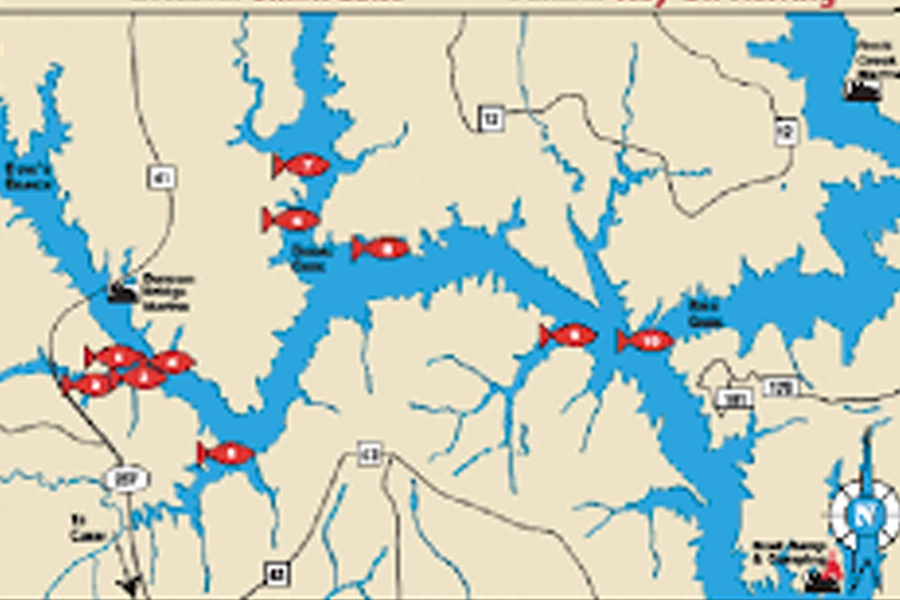
This depth and clarity create an environment where fish grow large but behave differently than in shallow, stained reservoirs. Light penetration pushes fish deeper, and forage often suspends in open water rather than hugging the bottom.
Rainfall plays a significant role in Smith Lake’s productivity. After heavy rain, creeks and rivers on the east and west sides bring in nutrients and slightly stained water, which often improves shallow bites. During dry periods, the lake can become exceptionally clear, and finesse tactics become essential.
Lake Structure and How Fish Use It
Smith Lake’s structure is built around steep drop-offs, submerged timber, long points, creek channels, and rocky shorelines. Many banks fall quickly into deep water, creating ideal habitat for spotted and smallmouth bass.
- Bass use points, submerged timber, brush piles, and docks as ambush cover.
- Crappie relate to standing timber, brush piles, and bridge structure.
- Striped bass and white bass roam open water following schools of shad.
- Catfish patrol channel edges, deeper flats, and timbered coves.
Because of the lake’s clarity, fish often suspend at specific depths rather than hugging the bottom. Sonar and mapping tools are extremely valuable on Smith Lake.
Primary Bass Locations
| Area | How and Why It Produces |
|---|---|
| Main-Lake Points | Deep structure for spotted and smallmouth bass |
| Creek Channel Bends | Holding areas for suspended fish |
| Dock Lines & Marinas | Shade and cover for largemouth and spotted bass |
| Submerged Timber Zones | Crappie and bass staging areas |
| Rock Bluffs | Smallmouth and spotted bass habitat |
| Shallow Creek Arms (after rain) | Spring largemouth spawning zones |
Primary Striper and Pelagic Fish Locations
| Area | Species and Pattern |
|---|---|
| Main Basin Open Water | Striped bass and white bass chasing shad |
| Creek Mouths | Transition zones for suspended schools |
| Deep Points | Summer striper holding areas |
| Dam Area | Winter concentrations of stripers |
What You’ll Catch at Lewis Smith Lake
Largemouth Bass
Habitat & Behavior
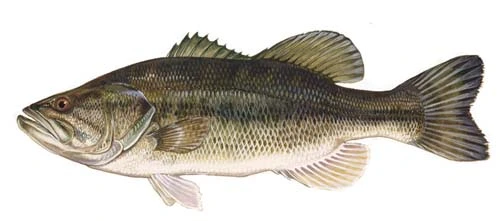
Largemouth bass are present throughout Smith Lake but are less dominant than spotted bass. They prefer shallow cover, including docks, laydowns, brush, and creek pockets. During spring, largemouth move into protected coves to spawn, especially after rainfall adds color to the water.
Feeding Patterns
Largemouth feed on shad, bluegill, and crawfish. Low-light periods are key, and cloudy or windy days often improve the shallow bite in clear water.
Distribution on Smith Lake
Best areas include dock-heavy coves, timbered creek arms, and shoreline structure near recreation areas.
Recommended Methods
- Spring: shallow crankbaits, spinnerbaits, and soft plastics in coves
- Summer: docks and brush piles with jigs and worms
- Fall: topwater along banks and points
- Winter: slow jigs and suspending jerkbaits
Best Baits
Squarebill crankbaits, finesse worms, jigs, spinnerbaits, topwater poppers, suspending jerkbaits.
Spotted Bass (Alabama Bass)
Habitat & Behavior
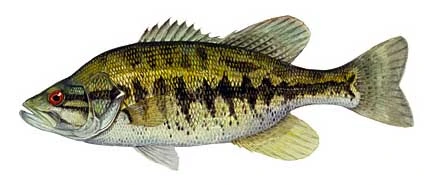
Spotted bass are the defining species of Lewis Smith Lake and one of the primary reasons serious anglers target this reservoir. They thrive in clear, deep, and structured water, making Smith Lake an ideal habitat. Unlike largemouth, spotted bass are comfortable suspending in open water and often relate to points, offshore brush piles, submerged timber, and steep channel drops. They are highly mobile and frequently form schools, especially around baitfish.
Feeding Patterns
Spotted bass are aggressive feeders that primarily consume threadfin shad, blueback herring, and small crawfish. They often suspend beneath bait schools and feed in short but intense bursts. In clear water, they rely heavily on sight, so natural colors and subtle presentations are critical. They are active throughout the day but feed most aggressively during low-light periods or when wind and current break up visibility.
Distribution on Smith Lake
Spotted bass are found throughout the main basin, on long tapering points, at creek mouths, and around offshore brush piles placed by anglers. Deep timbered areas and main-lake humps are also consistent producers, especially during summer and winter.
Recommended Methods
- Spring: shaky heads and small crankbaits on points
- Summer: drop-shot rigs and vertical spoons over brush piles
- Fall: swimbaits and jerkbaits following schooling baitfish
- Winter: blade baits and finesse plastics on deep structure
Best Baits
Drop-shot worms, shaky-head plastics, small paddle-tail swimbaits, suspending jerkbaits, flutter spoons, finesse crankbaits.
Smallmouth Bass
Habitat & Behavior
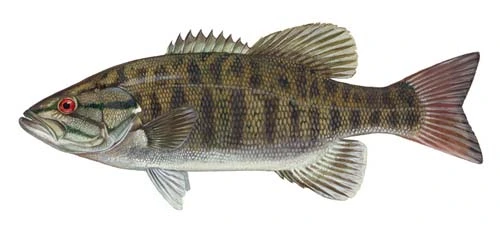
Smallmouth bass are less abundant than spotted bass but are highly prized for their size and fighting ability. They prefer rocky banks, steep bluffs, gravel points, and deep clear water, making Smith Lake’s terrain ideal. Smallmouth often occupy deeper zones than largemouth and are more common in cooler water conditions.
Feeding Patterns
Smallmouth feed heavily on shad and crayfish, often roaming along rocky structure and points. They are more active in cooler seasons and can be highly aggressive when water temperatures drop. Unlike largemouth, they often chase prey in open water and respond strongly to moving baits.
Distribution on Smith Lake
Best populations occur along main-lake bluffs, rocky points, and channel edges in the lower and middle lake sections. Deep structure near the dam also holds consistent smallmouth populations.
Recommended Methods
- Spring: tube baits and jerkbaits on rocky points
- Summer: finesse jigs and drop-shot rigs on deeper rock
- Fall: swimbaits and crankbaits along bluff transitions
- Winter: blade baits and jigging spoons on deep structure
Best Baits
Tube jigs, finesse jigs, suspending jerkbaits, swimbaits, blade baits, jigging spoons.
Striped Bass
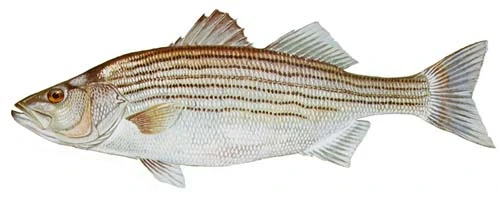
Habitat & Behavior
Striped bass are apex pelagic predators in Lewis Smith Lake. They prefer deep open water, where oxygen levels and baitfish availability dictate their location. Smith Lake’s depth allows stripers to grow large, and fish over 20 pounds are regularly reported.
Feeding Patterns
Stripers feed in coordinated packs, herding shad into tight schools. They often suspend at specific depths, especially during summer, and can push bait to the surface during feeding frenzies. Water temperature and oxygen levels strongly influence their vertical positioning.
Distribution on Smith Lake
Stripers roam the main basin, dam area, and deep creek mouths. During spring and fall, they often move into creek arms following bait migrations.
Recommended Methods
- Trolling umbrella rigs and deep-diving crankbaits
- Vertical jigging with spoons when fish are suspended
- Live bait fishing with shad on downlines
Best Baits
Live shad, umbrella rigs, large paddle-tail swimbaits, deep-diving crankbaits, jigging spoons.
White Bass
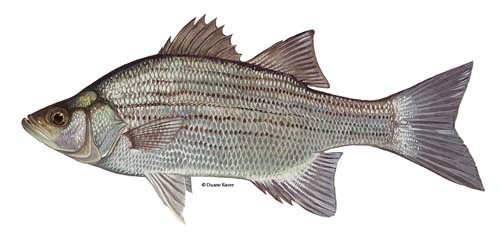
Habitat & Behavior
White bass are schooling fish that roam Smith Lake’s open water following shad. They are more tolerant of shallow and stained water than stripers and frequently move into creeks during spawning runs.
Feeding Patterns
White bass feed aggressively on small baitfish and often surface-feed in large schools. Their feeding behavior is fast-paced and often occurs in short bursts.
Distribution on Smith Lake
They are common in open water, creek mouths, and river channels, particularly during spring migrations.
Recommended Methods
- Casting spoons or inline spinners to surface schools
- Trolling small crankbaits in open water
- Jigging vertically over bait schools
Best Baits
Spoons, inline spinners, small crankbaits, swimbaits, curly-tail grubs.
Crappie (Black & White)
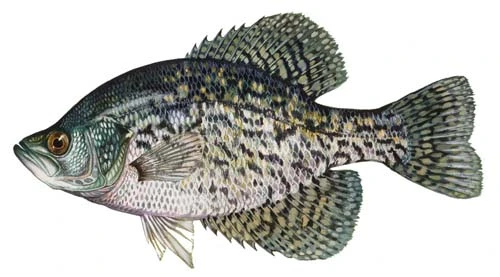
Habitat & Behavior
Crappie thrive in Smith Lake’s standing timber, brush piles, and marina structure. The lake’s depth allows crappie to suspend at varying levels, often far off the bottom.
Feeding Patterns
Crappie feed primarily on small shad and plankton-based forage. They move vertically with water temperature and often suspend above structure rather than holding tight to it.
Distribution on Smith Lake
Timbered creek arms, bridge crossings, marina docks, and submerged brush piles throughout the lake.
Recommended Methods
- Vertical jigging in standing timber
- Spider-rigging over brush piles
- Dock shooting in spring
Best Baits
1/16–1/8 oz jigs, tube jigs, live minnows, small plastics in chartreuse, white, and blue.
Channel Catfish
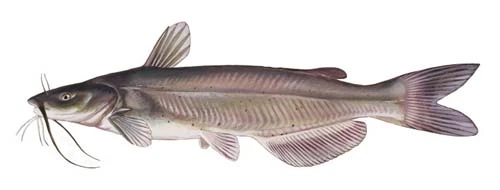
Habitat & Behavior
Channel catfish are common in Smith Lake, favoring warmer shallow coves, creek channels, and timbered areas. They often use submerged timber and rocky crevices for spawning.
Feeding Patterns
They are bottom-oriented scavengers that rely on scent and taste. Channel cats are most active during evening and nighttime hours, especially in summer.
Distribution on Smith Lake
Creek mouths, timbered coves, channel edges, and shallow flats with soft bottom.
Recommended Methods
- Bottom rigs with cut bait
- Slip-float rigs near timber
- Light drifting in creek channels
Best Baits
Chicken liver, cut shad, nightcrawlers, commercial stink baits.
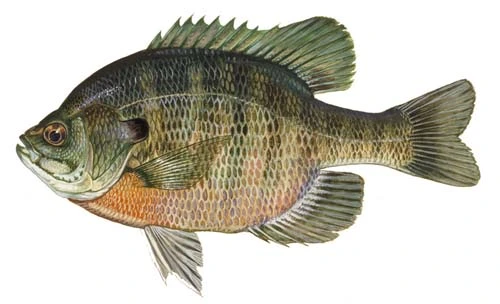
Sunfish (Bluegill & Redear)
Habitat & Behavior
Sunfish are abundant and form the base of Smith Lake’s panfish population. They prefer shallow flats with sand or gravel, with redear often occupying slightly deeper shell beds.
Feeding Patterns
Sunfish feed on insects, larvae, and small crustaceans. During spring bedding, they become extremely aggressive and easy to target.
Distribution on Smith Lake
Protected coves, shallow flats, marina areas, and creek arms with sandy bottoms.
Recommended Methods
- Float fishing with light tackle over beds
- Casting small jigs and spinners
- Fly fishing during insect hatches
Best Baits
Worms, crickets, waxworms, small jigs, micro spinners.
Seasonal Strategy for Lewis Smith Lake
Spring
Fish move shallow to spawn. Rainfall increases shallow activity. Shad and finesse plastics dominate.
Summer
Most bass suspend or hold deep. Electronics and vertical presentations are essential.
Fall
Shad move into creeks, and schooling activity increases. Topwater and swimbaits shine.
Winter
Fish group tightly and suspend. Jerkbaits, spoons, and finesse rigs are key.
Proven Baits and Techniques
| Species | Presentations |
|---|---|
| Largemouth | Crankbaits, jigs, worms |
| Spotted Bass | Drop-shot, shaky head, spoons |
| Smallmouth | Tubes, jerkbaits, swimbaits |
| Stripers | Live bait, umbrella rigs |
| Crappie | Jigs, minnows |
| Catfish | Cut bait, liver |
| Sunfish | Worms, crickets |
Access and Practical Information
Lewis Smith Lake offers numerous access points, including:
- Duskin Point Marina Boat Ramp
- Grand Clearwater Resort Marina Boat Ramp
- Cullman County Park Boat Ramp (Smith Lake Park)
There are also many marinas, rental homes, and recreation areas around the lake. Lakeshore Marina and Resort offers lodging, dining, and services, though it is a long boat ride to the main basin.
Final Thoughts
Lewis Smith Lake is not a simple lake, and that is exactly why serious anglers love it. Its depth, clarity, and structure create a technical fishery where finesse and electronics matter. One day you might be drop-shotting 25 feet down on a point, and the next you are chasing schooling white bass in open water.
For anglers willing to adapt, Smith Lake offers trophy potential, scenic beauty, and a year-round bite. Learn how fish use depth, light, and structure here, and you will unlock one of Alabama’s most rewarding deep-water fisheries.
Tight lines, and see you on Smith Lake.