
Wheeler Lake Fishing Guide — A Local Angler’s Field Manual
Wheeler Lake has a way of pulling you back. Some lakes are seasonal, others feel worn out after a few tough summers, but Wheeler remains steady year after year. Tournament boats idle out at daylight, kayaks slip into quiet creeks, and bank anglers fill the riprap at dusk. It is a working Tennessee River reservoir, shaped by current and weather, and it rewards anglers who pay attention.
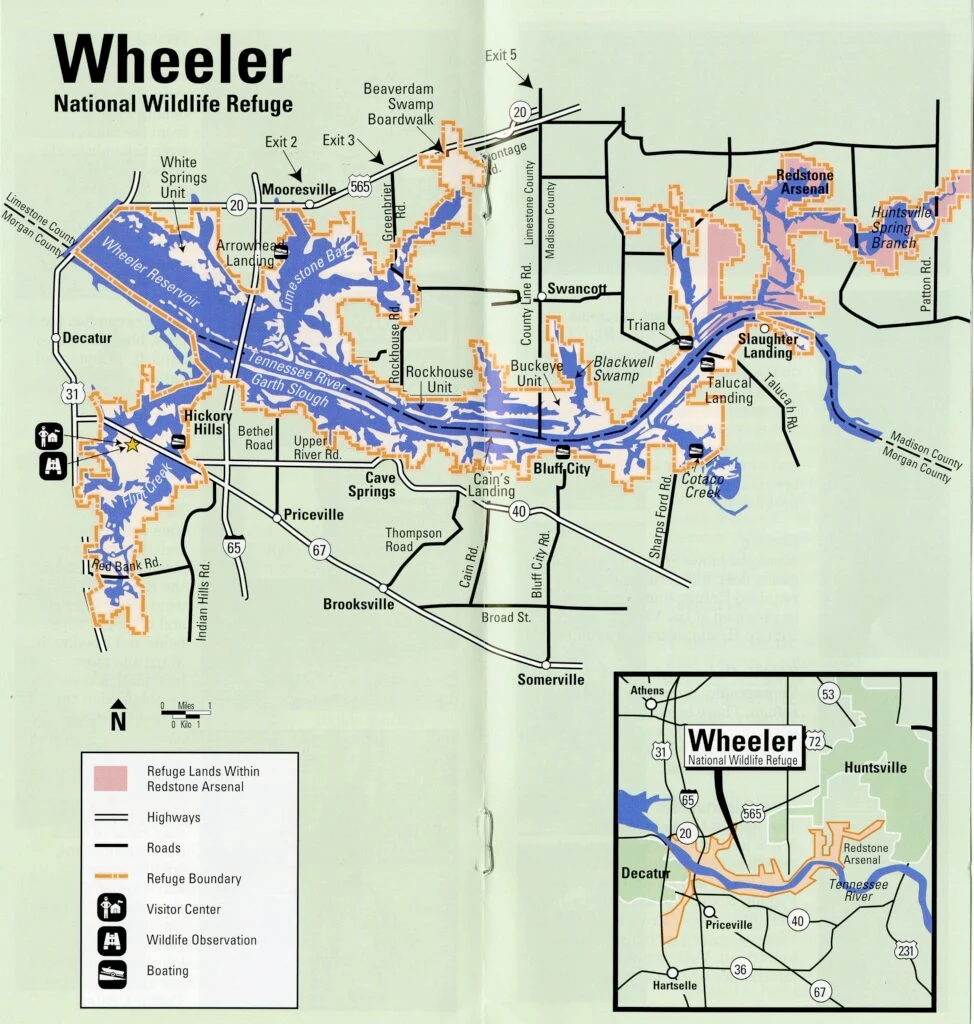
Stretching more than 60 miles from Guntersville Dam to Wheeler Dam, the lake blends wide-open basins with winding river sections and protected creek arms. Public ramps and marinas are scattered across its length, making access easy whether you tow a bass boat or carry a single rod in the trunk. The fishery supports an impressive lineup: largemouth, smallmouth, and spotted bass; black and white crappie; channel and blue catfish; striped and hybrid bass; sauger; bluegill; and redear sunfish.
What keeps anglers coming is not just variety but consistency. Wheeler rarely has an “off year.” When one species slows, another fills the gap, and somewhere on the lake there is almost always a pattern to be found.
The Character of Wheeler Lake
Three zones define how most people fish Wheeler.
1. Guntersville Dam Tailwaters
Moving water rules this stretch. When turbines run, baitfish are swept downstream and predators line up on seams and eddies. Winter sauger, spring stripers, and summer catfish all concentrate here.
2. The Decatur Flats
A broad, shallow expanse that acts like an inland sea. In warm months shad roam these flats in massive schools, followed closely by bass and hybrids. Wind direction can make or break the day.
3. Creek Arms and Bluff Banks
From Elk River to Limestone Creek, dozens of tributaries cut into the main lake. These areas offer spawning pockets in spring, cool refuge in summer, and protected water when the main channel turns rough.
Because Wheeler sits between Guntersville and Pickwick, it carries traits of both. The upper end feels like a flowing river, the middle resembles a classic TVA reservoir, and the lower end holds deep ledges similar to Pickwick. Learning which personality you are fishing on any given day is half the battle.
Lake Structure and Fish Movement
Wheeler’s structure is built on channels, current breaks, grass beds, and rock. Old river bends create deep holes, while long gravel points extend into open water. Seasonal vegetation appears in many pockets, and bridge pilings provide permanent cover.
- Bass use grass edges, ledges, riprap, and points as travel routes.
- Crappie relate to brush, stumps, and bridge structure.
- Catfish patrol mud flats and channel bends, especially at night.
- Stripers and hybrids chase shad wherever flow bunches bait.
The most important factor is TVA generation. A calm lake can become a conveyor belt in minutes. Experienced anglers check the schedule before tying a single knot, because current changes location, depth, and lure choice.
Primary Bass Locations
| Area | How and Why It Produces |
| Decatur Flats | Summer schooling bass and hybrids following shad |
| First & Second Creek | Spring spawning cover with grass and wood |
| Elk River Mouth | Current breaks attracting mixed bass |
| Wheeler Dam Forebay | Winter deep structure |
| Limestone Creek | Clear-water spotted bass |
| Spring Creek | Post-spawn staging on channel swings |
Primary Catfish Locations
| Area | Species and Pattern |
| Elk River Channel | Blue cats on deep bends |
| Flats Edges | Drift fishing in warm months |
| Bluff Banks | Channel cat spawning habitat |
| Tailwaters | Trophy blues after dark |
What You’ll Catch at Wheeler Lake
Largemouth Bass
Habitat & Behavior
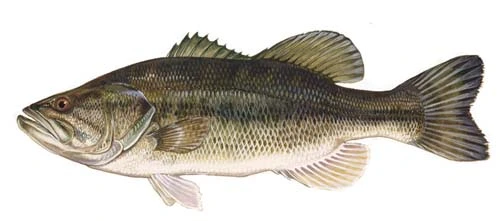
Largemouth bass are the backbone of Wheeler Lake. Typical fish measure 12–15 inches, but the lake regularly produces 5–8-pound class bass. They favor cover-oriented environments such as grass edges, laydowns, riprap banks, docks, and secondary channel bends. During spring, when water temperatures reach the mid-60s, largemouth move into protected pockets to spawn. Post-spawn fish slide back to grass lines and ledges.
Feeding Patterns
Largemouth are opportunistic ambush predators. Their diet centers on shad, bluegill, and crawfish. Low-light periods at dawn and dusk trigger the most aggressive feeding. When TVA generates current, bass position on the downstream side of structure and attack bait swept by the flow.
Distribution on Wheeler
Strong populations exist around the Decatur Flats, Elk River mouth, First and Second Creeks, and along major riprap banks. Summer concentrations form on offshore ledges adjacent to old river channels.
Recommended Methods
- Spring: target shallow pockets with squarebills and spinnerbaits
- Summer: deep cranking and Carolina rigs on ledges
- Fall: topwater over grass and wind-blown points
- Winter: slow jigs along rock transitions
Best Baits
Frogs, flipping jigs, squarebill crankbaits, white spinnerbaits, football jigs, Carolina-rigged plastics, lipless cranks.
Smallmouth Bass
Habitat & Behavior
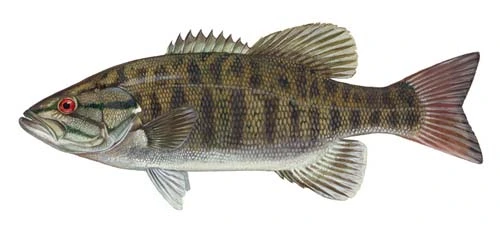
Smallmouth numbers are lower than largemouth, but quality is excellent. They prefer clean water, gravel, and current, often relating to deeper structure than their green cousins. Rocky shoals, main-river bars, and dam tailwaters are classic smallmouth terrain.
Feeding Patterns
Smallmouth are sight-oriented predators that chase shad and crawfish. They roam more than largemouth and respond strongly to current seams. During hot months they often feed after dark, especially around shallow rock.
Distribution on Wheeler
Best around the Guntersville Dam area, main-river shoals near Limestone Creek, and deep points on the lower lake.
Recommended Methods
- Drag finesse jigs on gravel bars
- Slow-roll swimbaits in current
- Night topwater along rock banks
- Blade baits in winter depths
Best Baits
Finesse jigs, shad-profile swimbaits, blade baits, jerkbaits, small crankbaits, walking topwaters.
Spotted Bass
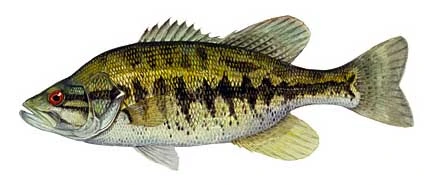
Habitat & Behavior
Spotted bass thrive in Wheeler’s clearer tributaries. They are structure-oriented fish that relate to bridge pilings, bluff walls, and rocky points. Spots are comfortable in deeper water and tolerate current better than largemouth.
Feeding Patterns
They feed heavily on threadfin shad and small crawfish, often schooling in open water. Spotted bass are known for repeated short feeding windows rather than long binges.
Distribution on Wheeler
Limestone Creek, Spring Creek, and the eastern end of the lake hold the most consistent populations.
Recommended Methods
- Shaky heads on points
- Jerkbaits in clear water
- Small swimbaits around bridges
Best Baits
Shaky-head worms, jerkbaits, 3–4″ swimbaits, finesse crankbaits, drop-shot rigs.
Striped Bass & Hybrid Striped Bass
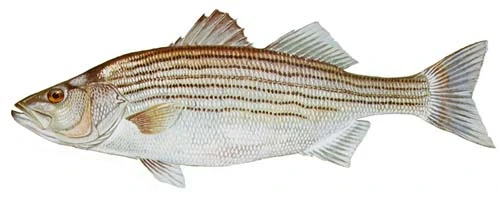
Habitat & Behavior
Stripers and hybrids are open-water predators built for current. They follow massive schools of shad and may travel miles in a day. Oxygen levels and flow determine their location more than cover.
Feeding Patterns
These fish attack from below, pushing bait to the surface. Feeding frenzies on the Decatur Flats can last minutes and require instant reaction.
Distribution on Wheeler
The Guntersville Dam tailrace is the core area, with seasonal movements across the Decatur Flats and main channel edges.
Recommended Methods
- Drift live shad in current
- Cast swimbaits to surface busts
- Troll deep divers along channel edges
Best Baits
Live shad, large paddle-tail swimbaits, umbrella rigs, deep-diving crankbaits, topwater walkers.
Crappie (Black & White)
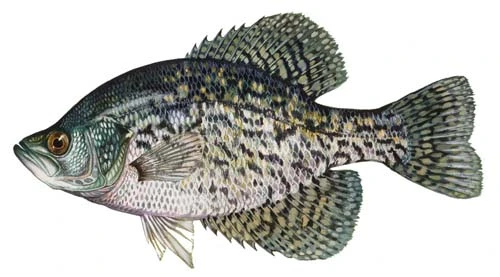
Habitat & Behavior
Crappie grow quickly in Wheeler’s fertile water. They relate to vertical cover—brush piles, stake beds, bridge pilings—and shift depth with temperature.
Feeding Patterns
Primarily feed on small shad and insects. Schools roam constantly, suspending above structure rather than sitting tight.
Distribution on Wheeler
Elk River bridges, First Creek, and marinas across Decatur are consistent producers.
Recommended Methods
- Vertical jigging over brush
- Spider-rigging creek channels
- Dock shooting in spring
Best Baits
1/8–1/4 oz jigs, tube jigs, live minnows, small plastics in chartreuse and white.
Channel Catfish
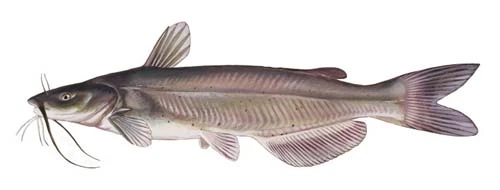
Habitat & Behavior
Channel cats favor shallow, warmer water and rocky bluffs. They spawn in crevices during late spring and remain active through summer evenings.
Feeding Patterns
Scent feeders that patrol bottom edges for dead bait and invertebrates. Most active after sunset.
Distribution on Wheeler
Riprap banks near Decatur, Elk River flats, and creek mouths.
Recommended Methods
- Bottom rigs along bluffs
- Slip-float setups near structure
- Light drift in 5–10 feet
Best Baits
Chicken liver, cut shad, stink baits, nightcrawlers.
Blue Catfish
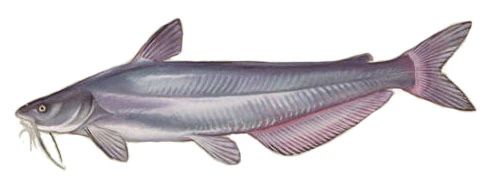
Habitat & Behavior
Blue cats are Wheeler’s heavyweights. They roam deep channels and mud flats, especially where current funnels food.
Feeding Patterns
Aggressive scavengers and predators, keying on skipjack and large shad. Night and rising current produce the biggest bites.
Distribution on Wheeler
Elk River bends, Decatur Flats edges, and tailwater areas.
Recommended Methods
- Controlled drifting with three-way rigs
- Anchor on channel edges at night
Best Baits
Fresh skipjack, gizzard shad, large cut bait, circle hooks 5/0–8/0.
Sauger
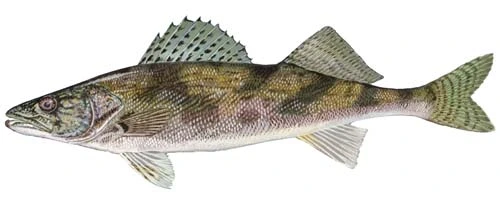
Habitat & Behavior
Sauger are cold-water specialists that migrate upstream each winter. They hold tight to bottom in strong current.
Feeding Patterns
Feed on small minnows and darters, striking short and subtle.
Distribution on Wheeler
Guntersville Dam tailwaters from December–February.
Recommended Methods
- Bounce heavy jigs on bottom
- Slow lift-and-drop in seams
Best Baits
Jigs tipped with minnows, 3–4″ grubs, blade baits.
🎣 Sunfish (Bluegill & Redear)
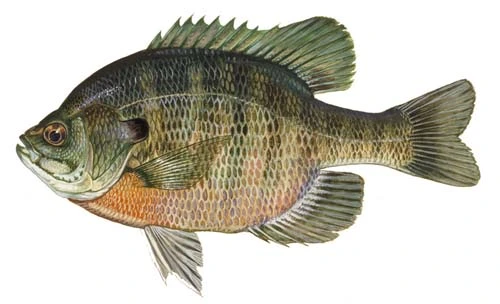
Habitat & Behavior
Sunfish dominate shallow flats with sand or light gravel. Redear prefer slightly deeper shell beds than bluegill.
Feeding Patterns
Insect feeders that explode during spring bedding and willow-fly hatches.
Distribution on Wheeler
Protected coves in First Creek, Elk River backwaters, bluff banks during hatches.
Recommended Methods
- Float fishing over beds
- Light jig spinning
Best Baits
Worms, crickets, waxworms, tiny spinners.
Seasonal Strategy Overview
Spring:
Bass and crappie flood shallow pockets; focus on First Creek and Elk River. Water color guides lure choice more than brand.
Summer:
Dawn action on the Flats, then offshore ledges. Catfish dominate after dark.
Fall:
Shad migration triggers topwater; wind-blown points are prime.
Winter:
Sauger and stripers own the dam; bass slow on deep rock.
Proven Baits and Techniques
| Species | Presentations |
| Largemouth | Crankbaits, jigs, frogs |
| Smallmouth | Blade baits, finesse jigs |
| Crappie | 1/8–1/4 oz jigs, minnows |
| Blue Cat | Skipjack on 3-way rigs |
| Stripers | Live shad, swimbaits |
| Sauger | Jigs with minnows |
| Bream | Worms, crickets |
Access and Local Wisdom
Ramps at Decatur, Rogersville, Elk River, and First Creek keep the lake open to everyone. Kayak anglers can escape wind in dozens of protected coves.
A few lessons learned the hard way:
- Check TVA generation first. It controls everything.
- The Flats can turn rough fast with a north wind.
- Carry shallow and deep rods; Wheeler changes moods daily.
- Summer storms build quickly—always have an exit plan.
Respecting the Resource
This fishery stays strong because people care. Release big bass and trophy blues, avoid crowding at the dam, and pack out more than you brought. Small habits keep Wheeler healthy for the next generation.
Final Thoughts
Wheeler Lake isn’t a puzzle you solve once. It is a living system that shifts with current, shad, and season. One morning you may chase schooling hybrids across the Flats; by afternoon you’re flipping grass for largemouth, and by night the catfish rods are bent.
Learn the rhythm—when the water moves, how bait travels, where fish slide with temperature—and Wheeler will reward you more often than not. Records have already been written here, and the next chapter is waiting for the angler willing to explore.
Tight lines, and I’ll see you on the water.